Tool Tether Cable

Tool Safety Lanyards

Tool Tether Cable

Tool tether cable for B2B safety lanyard RFQs, reviewed by retained tool, straight or coiled style, end fittings, coating color and kit packaging.

Procurement Focus

  • Straight or coiled lanyard structure
  • Retracted length, extended length and coating color
  • Tool-side and anchor-side connection details
  • Kit grouping and packaging requirement

Product Overview

Tool Tether Cable is a tool retention cable option for buyers who need a safer connection arrangement reviewed from tool photos, length requirements and end fittings. It is presented as a procurement starting point rather than a fixed catalog specification, so buyers can share the drawing, sample or application notes that define the final configuration.

Key Features

  • Designed around tool connection method and cable style
  • Coiled and straight forms can be discussed
  • End hooks or loops reviewed from photos or samples
  • Packaging can be organized by kit or batch requirement

Common Configurations

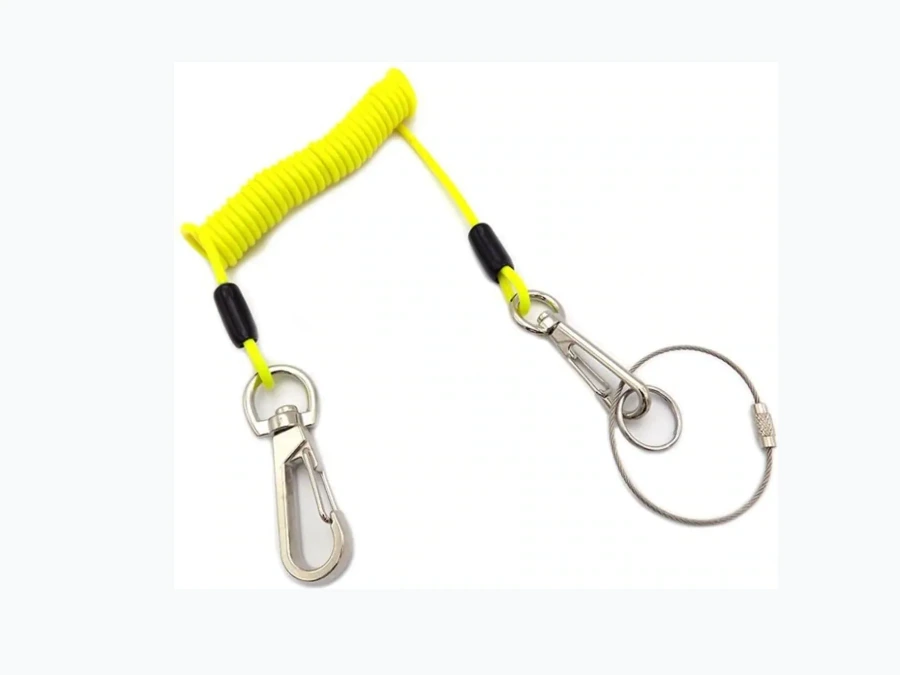
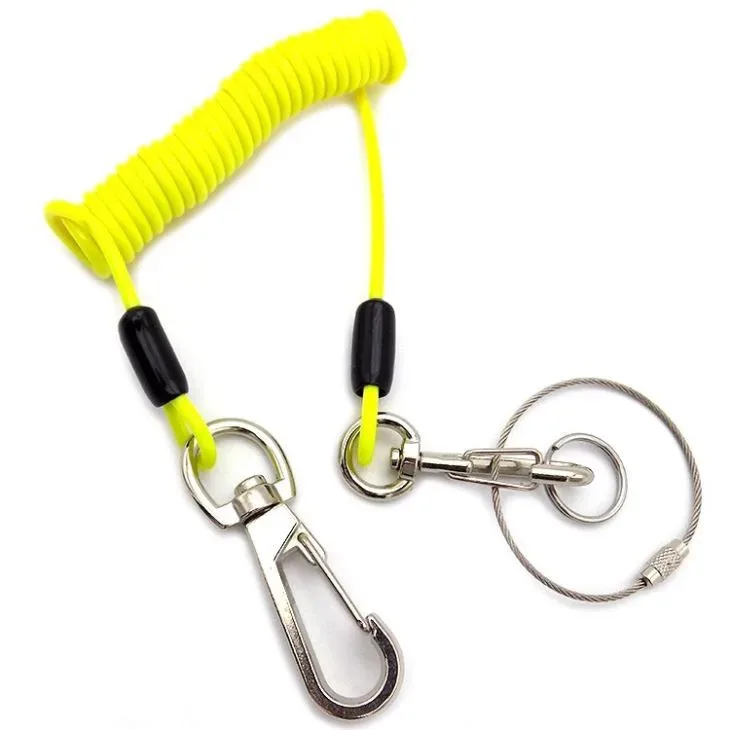
  • Coiled tool lanyard with hooks
  • Spring coil safety lanyard
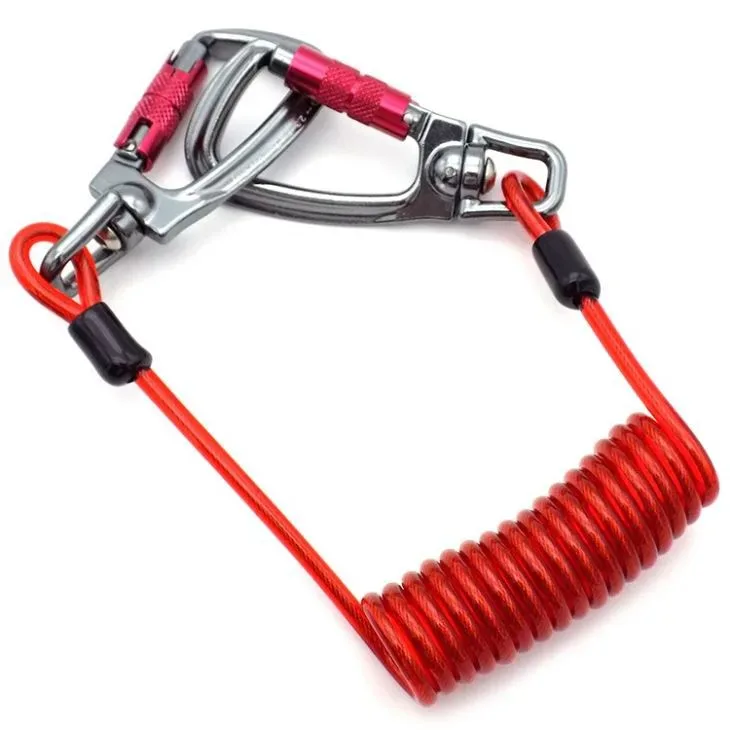
  • PVC-coated tether cable
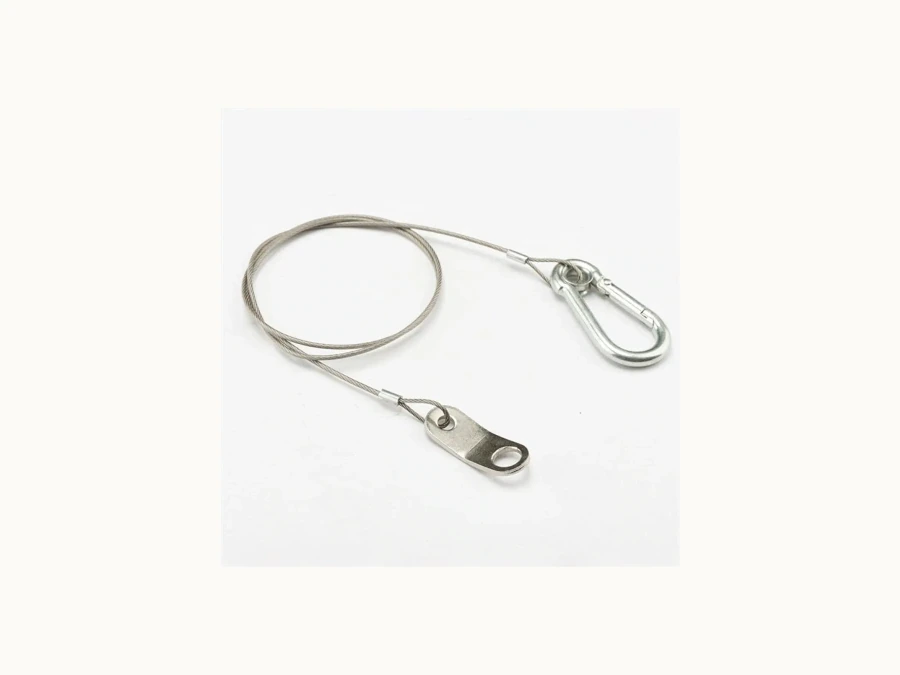
  • Loop-to-hook safety cable
  • Lightweight tool retention cable

Typical Applications

  • Tool tethering
  • Maintenance kits
  • Work-at-height retention
  • Equipment accessory retention

Customization Options

Straight or coiled structure, Retracted and extended length, Hook or loop ends, Coating color, Kit packaging can be discussed according to the selected cable, fitting arrangement and application requirements.

RFQ Information Required

Provide product name, cable or fitting dimensions, end fitting A and end fitting B, application environment, quantity, packaging requirement and drawings, samples or photos if available.

Buyer Search Notes

Buyers searching for a tool tether usually need to identify the retained tool first, then confirm cable style, coating, end fittings and kit packaging. Compare the Tool Safety Lanyards category, review the Tool Tether Cable Buying Guide, and send drawings, samples or photos through the Request a Quote page.

Tool Tether Buyer Summary

This product is a starting point for straight or coiled tool tether cable discussions. Confirm the retained tool, anchor point, cable style, end fittings and kit arrangement before selecting a final configuration. If the existing tether is a replacement, include the full sample and connection-point photos.

Straight or Coiled Fitting Options

Compare a straight cable with a coiled lanyard or spring lanyard when reach and storage are important. Hook, carabiner, loop, ring and crimped sleeve options should be labeled as End A and End B, with the mating tool or anchor hardware shown.

Tool Tether RFQ Checklist

  • Retained tool, anchor point and use environment
  • Straight or coiled style and length reference
  • Cable diameter, coating color and finished diameter if known
  • End fitting photos or drawing for both sides
  • Quantity, kit grouping, packaging and labels

Review Steel Wire Cable with Carabiner Hook, Spiral Spring Safety Tool Lanyard and Tool Safety Lanyards before using Request a Quote.
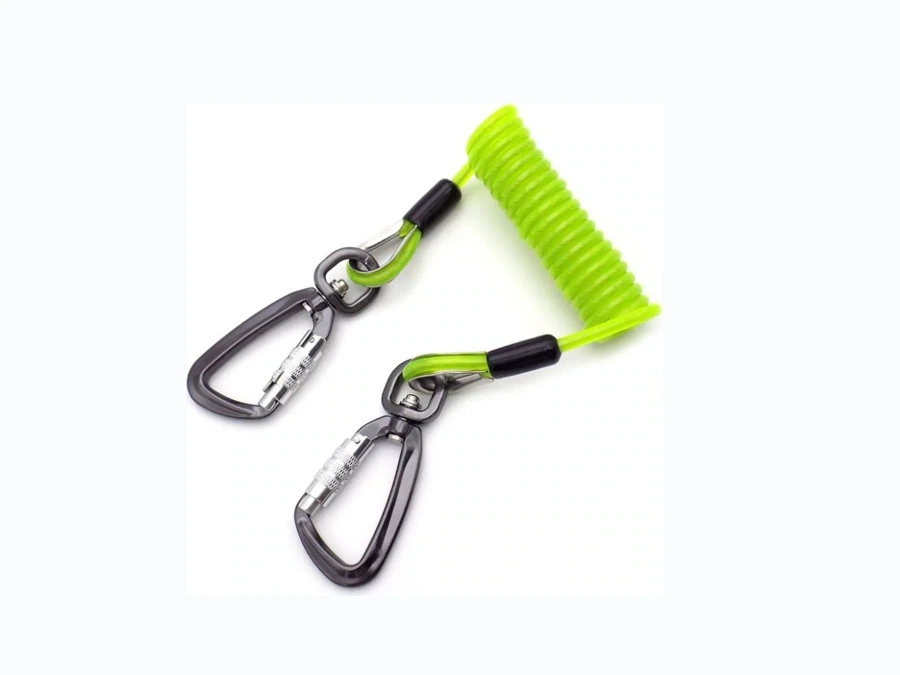
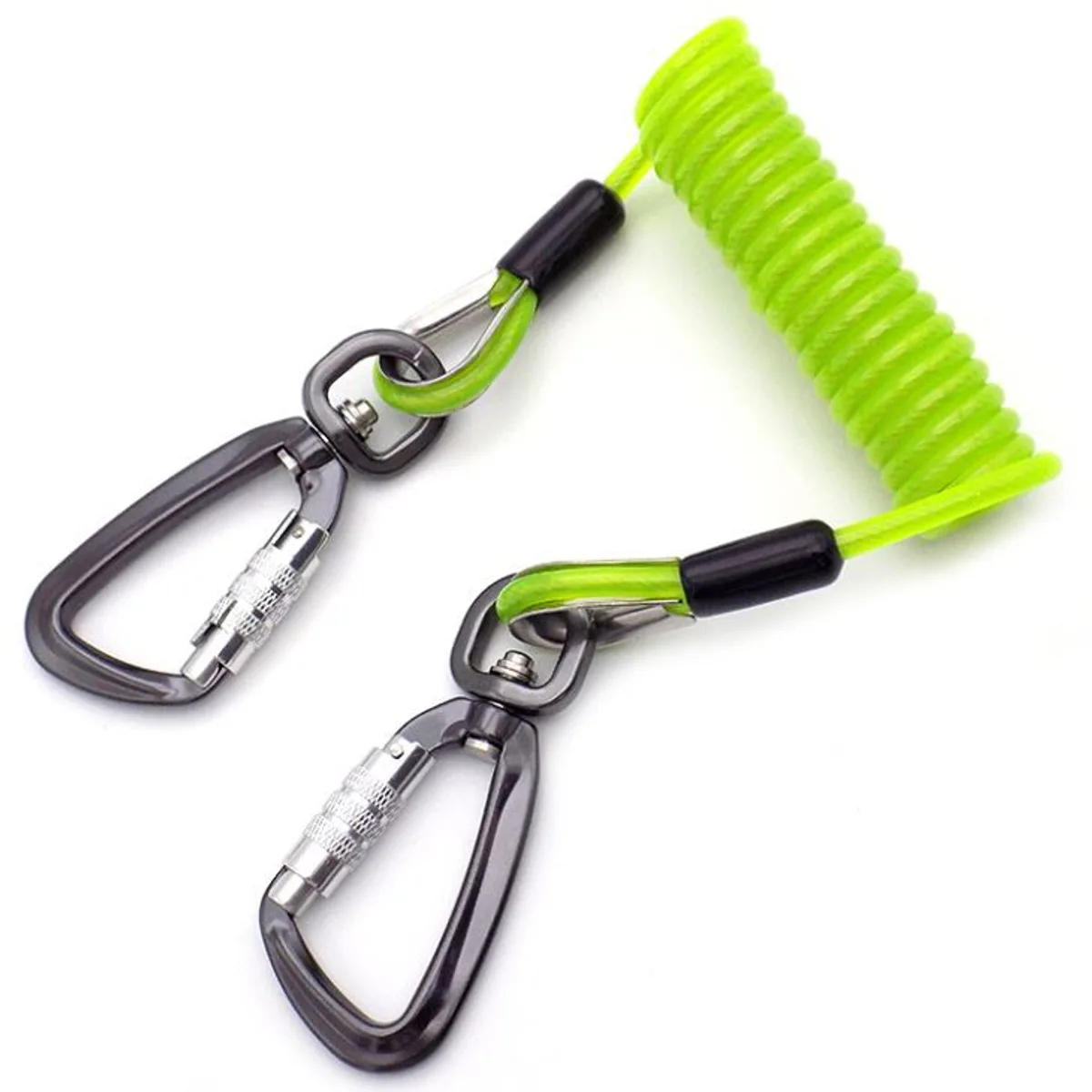
Common Configurations

Configurations buyers often compare

Use these examples to describe the nearest assembly style before sending drawings, samples or photos.

01

Straight coated tool tether cable with loop or hook ends

02

Coiled tool tether cable for compact tool retention kits

03

Cable tether with carabiner, hook or loop connection

04

Color-coated tether cable grouped by tool kit or work area

05

Sample-matched tool tether cable based on existing lanyard photos

Typical Applications

Application areas to confirm

Confirm the operating context before selecting the final cable, coating and fitting arrangement.

01

Tool tethering for maintenance teams

02

Work-at-height tool retention

03

Industrial safety kits

04

Inspection and repair tool kits

05

Equipment accessory retention

Customization Options

Details that can be discussed for quotation

Final options depend on confirmed cable, dimensions, fittings and application requirements.

Straight or coiled styleCoating colorRetracted lengthExtended lengthHook or carabiner endLoop sizeCable diameterKit packaging

End Fitting Options

Connection details to review

  • Hook end
  • Carabiner end
  • Loop end
  • Coiled tether connection
  • Tool-side connection option
  • Kit-based fitting arrangement

RFQ Checklist

Information that improves quotation accuracy

Share the details available for your project; confirmed dimensions and fitting information can be reviewed from drawings, samples or photos.

  • Tool or object to be retained
  • Straight or coiled lanyard style
  • Retracted and extended length if coiled
  • End fitting photos or sample
  • Coating color and cable appearance requirement
  • Quantity and kit packaging notes

Related Applications

Application pages connected to this product

Related Products

Other solutions in this range

View category →

Related Guides

Buying guides for this product family

FAQ

Tool Tether Cable purchasing questions

What is a tool tether cable used for?

A tool tether cable is used to retain a tool or accessory according to the selected cable style, connection method and kit arrangement.

What should buyers confirm for a tool tether RFQ?

Confirm the retained tool, straight or coiled style, length, coating color, end fitting photos, quantity and packaging by kit or batch.

Can the tool-side connection be matched from photos?

Yes. Photos of the tool connection point and existing tether help review hook, loop, ring or other connection details.

When is PVC coating useful?

PVC coating can be discussed when buyers need a visible color, handling comfort, surface protection or grouping by work area.

Where should buyers go after reviewing this page?

Review the Tool Safety Lanyards category and send dimensions, photos and kit notes through the Request a Quote page.

Custom quotation

Discuss Tool Tether Cable

Share dimensions, end fitting photos, drawings, samples, application details, quantity and packaging requirements for review.

Start an RFQ